Japanese Fern Trees: The Perfect Addition to Your Garden
If you're looking for a unique and beautiful addition to your garden, look no further than the Japanese fern tree. These trees are known for their delicate fronds and elegant appearance, and they're sure to add a touch of sophistication to any outdoor space. In this blog post, we'll explore everything you need to know about Japanese fern trees, from their appearance and care requirements to their cultural significance and symbolism.
Appearance
Japanese fern trees, also known as Ginkgo biloba, are native to East Asia and are often found in China, Japan, and Korea. They have a distinctive fan-shaped leaf that is easily recognizable, with a deep green color that turns to a vibrant yellow in autumn. The leaves are often used in traditional medicine and cuisine, and the tree itself is considered a symbol of longevity and resilience.
Types of Japanese Fern Trees
There are several cultivars of Japanese fern trees, each with its own unique characteristics. Some popular varieties include:
- 'Autumn Gold': This cultivar has bright yellow leaves in the fall and is particularly stunning when planted in groups.
- 'Princeton Sentry': This variety has a narrow, upright growth habit, making it an ideal choice for smaller gardens or urban spaces.
- 'Jade Butterfly': With its delicate, lacy foliage, this cultivar is a favorite among gardeners who want to add a touch of elegance to their outdoor spaces.
Planting and Care
Japanese fern trees are relatively easy to care for, but they do require some specific conditions in order to thrive. Here are a few tips for planting and caring for these trees:
- Soil: Japanese fern trees prefer well-draining soil that is rich in organic matter. They don't tolerate standing water well, so make sure the soil is well-drained.
- Sunlight: While these trees can tolerate some shade, they do best in full sun, so make sure to plant them in a location that gets plenty of direct sunlight.
- Watering: Japanese fern trees need to be watered regularly, especially during the first few years after planting. Make sure to water deeply and consistently to encourage deep root growth.
- Pruning: While these trees don't require much pruning, it's a good idea to remove any dead or damaged branches to keep the tree healthy.
Cultural Significance
Japanese fern trees have been important cultural symbols in East Asia for centuries. In Japan, they are often associated with the ancient city of Kyoto, where they can be seen growing alongside traditional temples and gardens. They are also considered a symbol of hope and resilience, as they were one of the few plants to survive the atomic bombing of Hiroshima during World War II.
Symbolism
In addition to their cultural significance, Japanese fern trees are also associated with several symbolic meanings. Here are a few examples:
- Longevity: Japanese fern trees are often associated with longevity and resilience, making them a popular choice for celebratory occasions such as weddings and graduations.
- Hope: Because they were able to survive the atomic bombing of Hiroshima, Japanese fern trees are often seen as symbols of hope and resilience in the face of adversity.
- Balance: The fan-shaped leaves of Japanese fern trees are said to represent balance and harmony, making them a popular choice in traditional Japanese gardens.
Frequently Asked Questions
1. What is a Japanese fern tree?
A Japanese fern tree, also known as Ginkgo biloba, is a deciduous tree native to East Asia. It is known for its distinctive fan-shaped leaves and elegant appearance.
2. How tall do Japanese fern trees grow?
Japanese fern trees can grow up to 80 feet tall, although most cultivated trees are much smaller than this.
3. What is the cultural significance of Japanese fern trees?
Japanese fern trees have been important cultural symbols in East Asia for centuries. They are associated with longevity, hope, and resilience, and are often seen as a symbol of balance and harmony.
4. How do you care for a Japanese fern tree?
Japanese fern trees require well-draining soil, plenty of sunlight, regular watering, and occasional pruning to keep them healthy and thriving.
5. Are Japanese fern trees easy to grow?
Japanese fern trees are relatively easy to grow, but they do require some specific conditions in order to thrive. With the right care, however, they can be a beautiful and unique addition to any garden.
6. What are some popular cultivars of Japanese fern trees?
Some popular cultivars of Japanese fern trees include 'Autumn Gold', 'Princeton Sentry', and 'Jade Butterfly'.
7. What is the symbolism of Japanese fern trees?
Japanese fern trees are associated with several symbolic meanings, including longevity, hope, and balance.
8. Can Japanese fern trees be grown in containers?
Yes, Japanese fern trees can be grown in containers as long as the container is large enough to accommodate the tree's root system.
9. Do Japanese fern trees require a lot of maintenance?
While Japanese fern trees don't require a lot of maintenance, they do need to be watered regularly and pruned occasionally to keep them healthy.
10. What types of gardens are Japanese fern trees best suited for?
Japanese fern trees are best suited for traditional Japanese gardens, as well as modern gardens that emphasize elegance and sophistication.
If you're looking for a beautiful and unique addition to your garden, consider adding a Japanese fern tree. These trees are easy to care for and offer a range of symbolic meanings, making them a perfect choice for anyone who wants to add a touch of sophistication to their outdoor space.
14 Japanese fern trees Images

Love The Japanese Fern Pared With Skin Tones Japanese Fern Skin

17 Best Images About Ferns On Pinterest Japanese Painted Fern Ferns
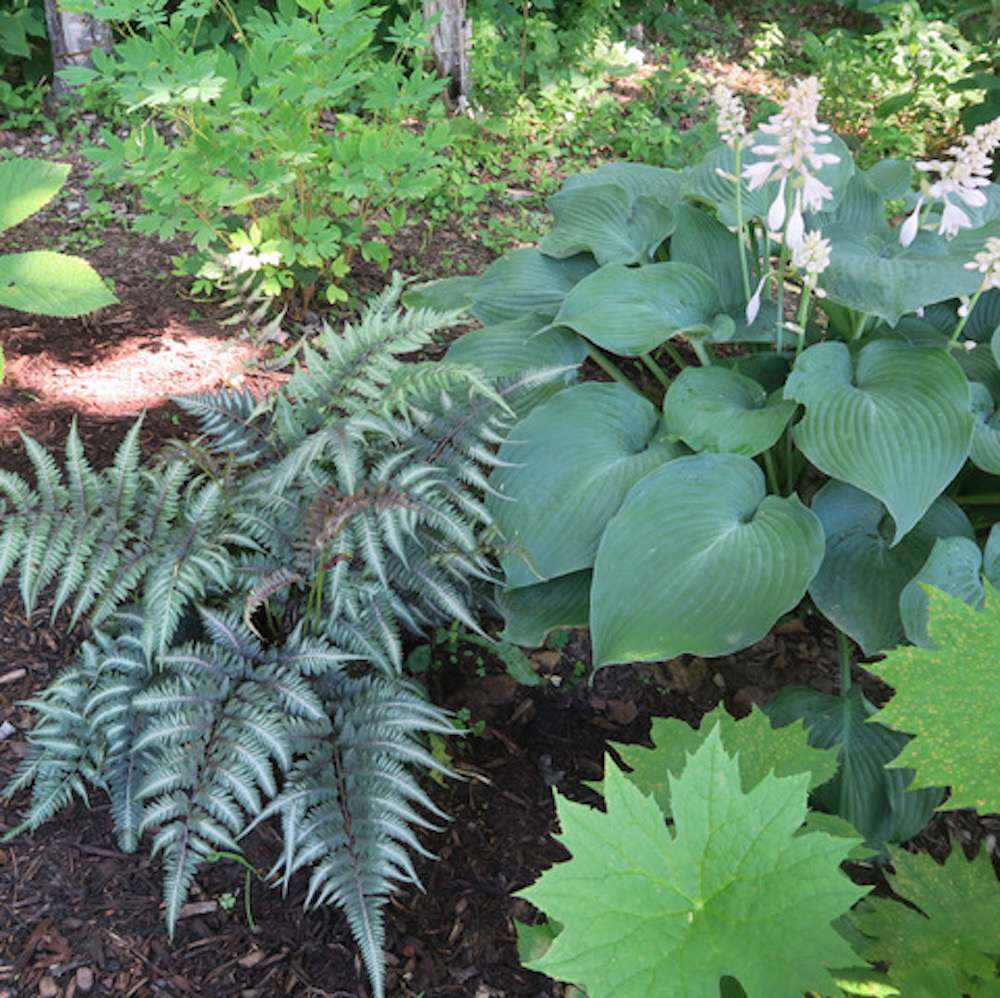
Japanese Painted Fern Hostas Plants

Powassan Ontario 2013 Foliage Plants Japanese Fern Plants

Pin On Monalisa Blooms

Image Result For Japanese Forest Grass And Japanese Painted Fern With

Japanese Painted Fern My Fav Fern Of All Time Japanese Painted Fern

Pin On Art In Bloom

Japanese SilverPainted Athyrium Niponicum Var Pictum Fern Plant

October 28 2013 They Often Get Overlooked But Ferns Have An Ancient

30 BOLIN Ideas Plants Landscaping Plants Perennials

Japanese Painted Fern Athyrium Nipponicum Pictum Planted In The

Tree Ferns Tree Fern Bonsai Tree Small Garden

Pin On Gardens
Post a Comment for "Japanese Fern Trees: The Perfect Addition to Your Garden"